Ripling Platform Overview: Features, Automation & Workforce Infrastructure
 hernandezyuman390@gmail.com
Introduction
Digital workforce management is evolving rapidly. Companies now expect more than simple HR record storage — they require automation, compliance tracking, system integrations, and secure employee lifecycle management.
Rippling is one of the platforms built to unify employee data, payroll, benefits, and IT infrastructure into a single system. This article explores how ripling works, what makes it different, and what businesses should evaluate before adoption.
This guide is informational and intended for research and comparison purposes.
How Ripling Centralizes Workforce Operations
4
Ripling connects employee data across departments. Instead of using separate HR, payroll, and IT tools, businesses operate from one unified dashboard.
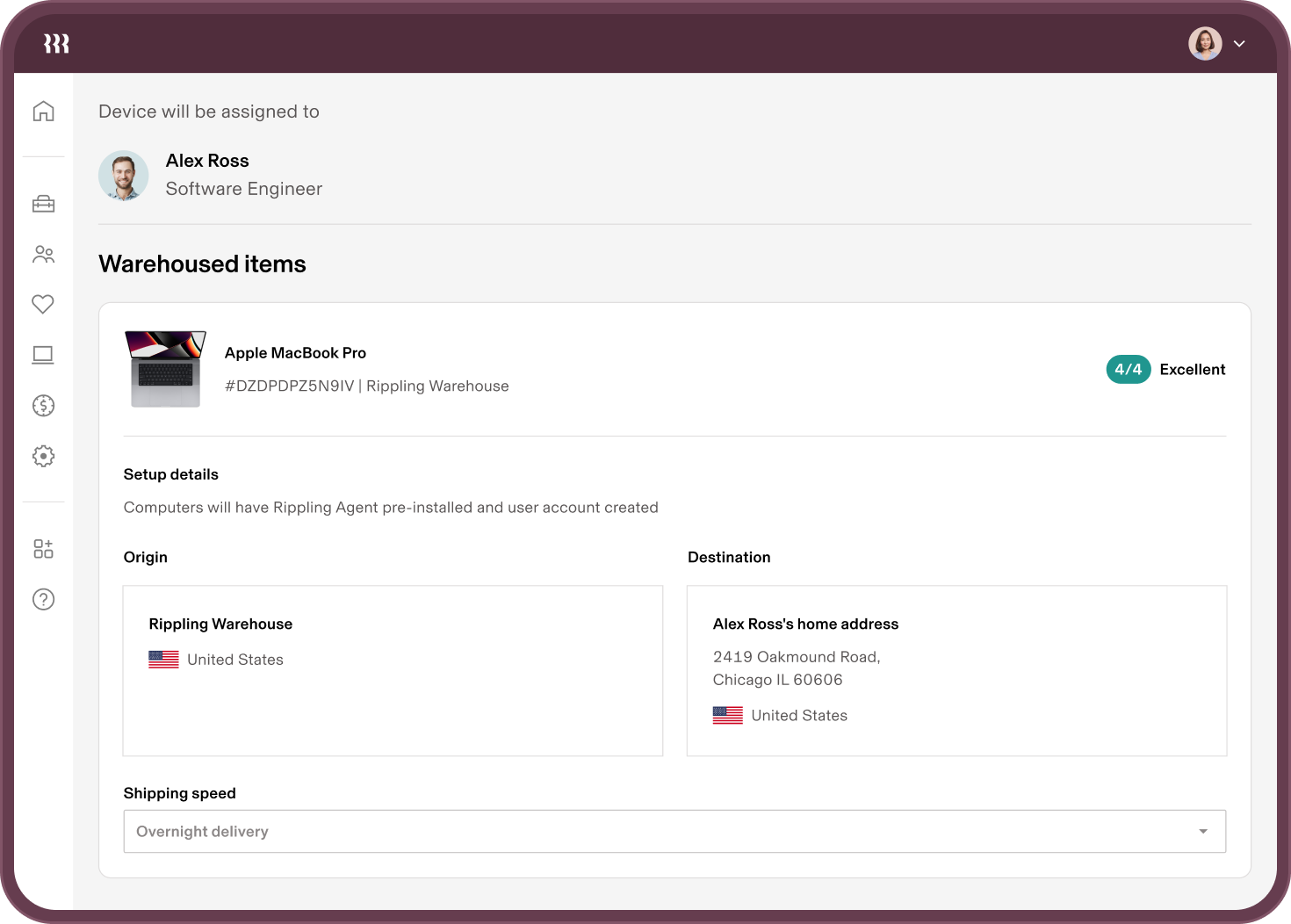
When a company hires a new employee, ripling can:
- Generate onboarding documentation
- Configure compensation details
- Assign benefits eligibility
- Provision required applications
- Ship or assign company devices
All changes sync across systems automatically.
Key Functional Areas
1. Employee Lifecycle Management
Ripling supports:
- Offer letter management
- Digital onboarding workflows
- Role-based permissions
- Offboarding automation
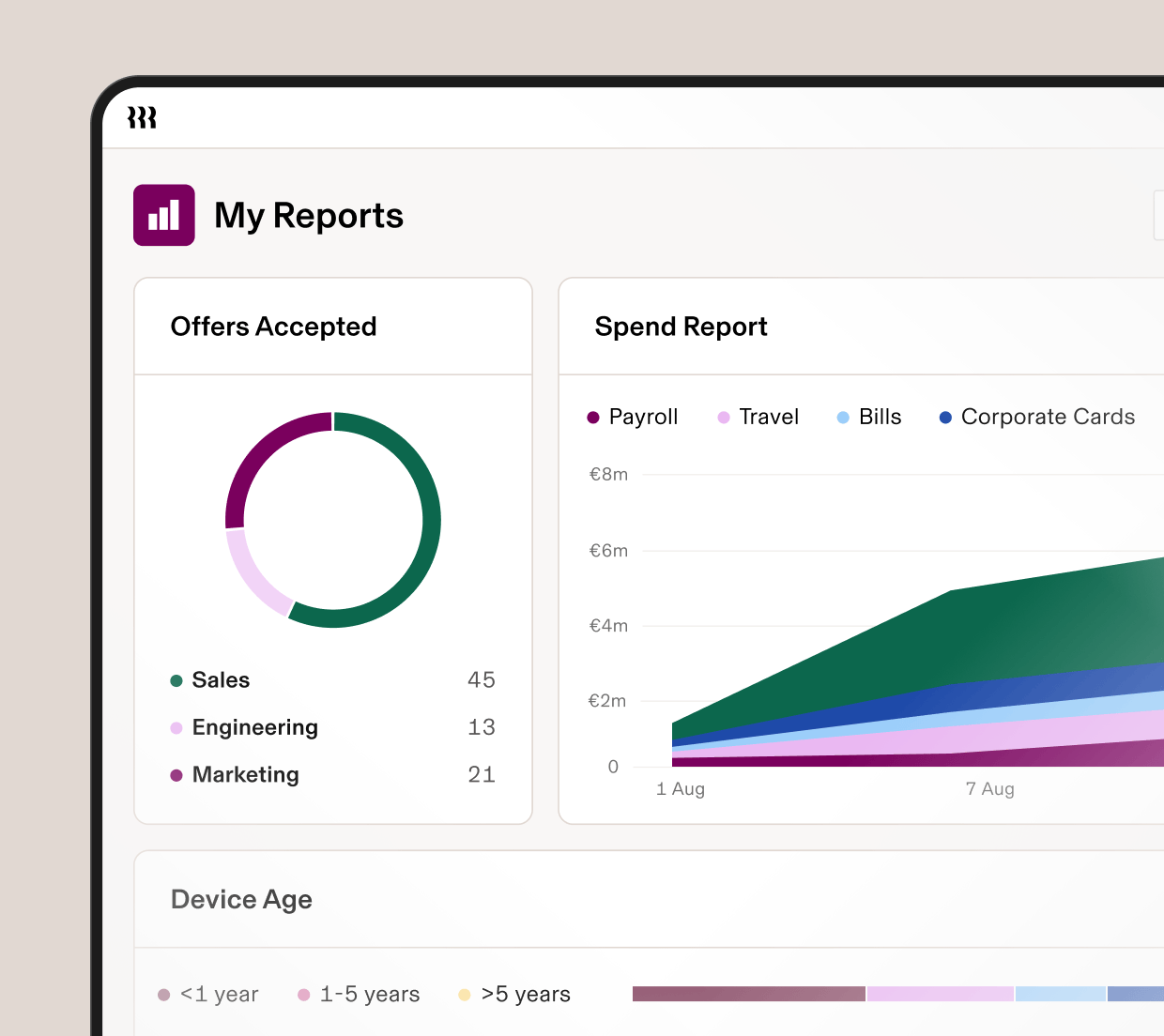
- Workforce reporting
Automation reduces manual steps and helps maintain internal policy consistency.
2. Payroll Automation
Ripling provides payroll infrastructure that typically includes:
- Automated tax calculations
- Multi-state processing
- Direct deposit configuration
- Reporting tools
- Contractor payment support
Businesses benefit from reduced administrative overhead and structured compliance tracking.
3. Benefits Integration
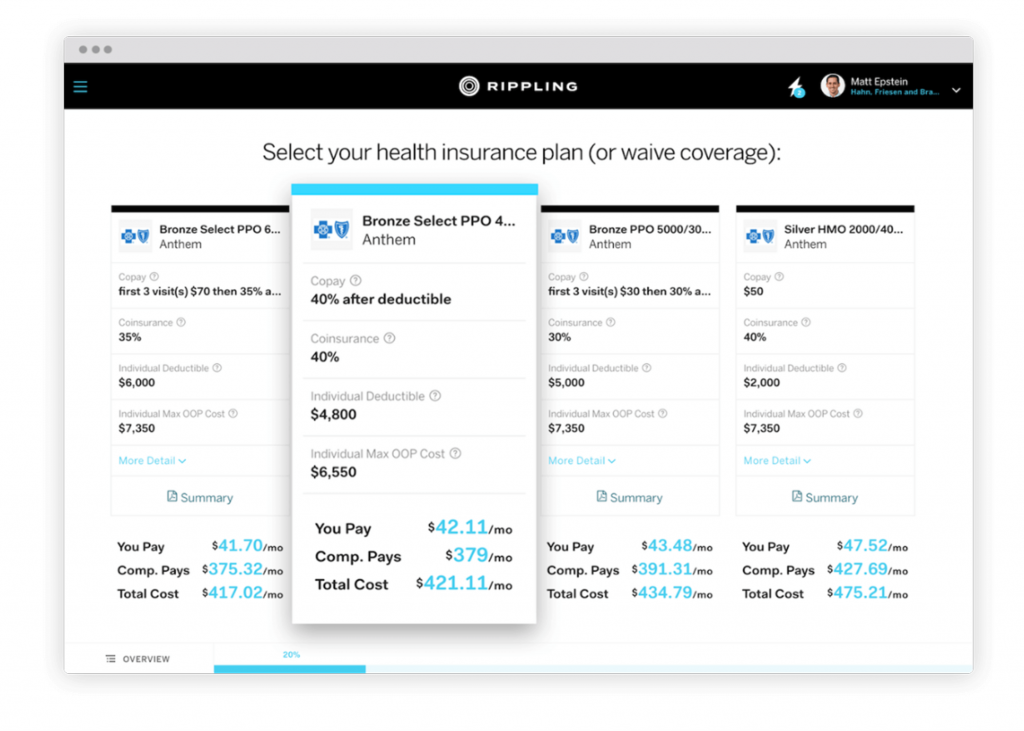
The platform connects benefits administration directly to payroll and HR records. This can include:
- Insurance enrollment tracking
- Deduction synchronization
- Eligibility automation
- Renewal management
Centralization reduces errors that can occur when systems are disconnected.
4. IT & App Management
Ripling is known for bridging HR with IT. Organizations can:
- Provision SaaS applications
- Manage access permissions
- Enforce security policies
- Monitor device compliance
- Deactivate accounts during offboarding
This approach is particularly valuable for distributed teams.
Security & Compliance Considerations
Workforce data is sensitive. Organizations reviewing ripling should assess:
- Multi-factor authentication availability
- Encryption standards
- Access logging
- SOC compliance documentation
- Internal audit capabilities
Always consult official documentation and internal compliance teams before implementation.
Advantages of Ripling for Growing Businesses
Operational Efficiency
Centralized automation reduces repetitive tasks across departments.
Scalability
Ripling is structured to grow alongside organizations, supporting expanding teams and geographic growth.
Data Consistency
When employee records change, updates reflect across payroll, benefits, and app access — minimizing discrepancies.
Comparing Ripling to Traditional Systems
Traditional HR software often separates payroll and IT. Ripling integrates:
| Capability | Traditional Systems | Ripling |
|---|---|---|
| HR Records | Yes | Yes |
| Payroll Processing | Yes | Yes |
| Benefits Integration | Partial | Integrated |
| App Provisioning | Rare | Included |
| Device Management | No | Yes |
The integrated IT layer is a distinguishing feature.
Implementation Best Practices
To maximize platform value:
- Conduct a process audit before onboarding.
- Define internal access policies clearly.
- Assign a system administrator.
- Train HR and IT teams jointly.
- Perform periodic compliance reviews.
Structured implementation reduces operational friction.
Who Typically Uses Ripling?
Ripling may be suitable for:
- Startups scaling operations
- Remote-first teams
- Mid-sized tech organizations
- Companies consolidating HR and IT tools
Each organization should evaluate pricing tiers, contract structure, and required modules.
Conclusion
Ripling represents a modern approach to workforce infrastructure by combining HR, payroll, benefits, and IT into one synchronized system. Businesses seeking operational efficiency and automation often consider unified platforms to reduce complexity.
Before adopting any workforce management platform, conduct thorough internal evaluation, compare alternatives, and ensure regulatory alignment.