Ripling: A Smart Workforce Platform for Modern Business Growth
 hernandezyuman390@gmail.com
Introduction
In today’s fast-moving digital economy, companies need systems that simplify workforce management while maintaining compliance and security. Ripling is one of the platforms designed to unify HR operations, payroll processing, benefits administration, and IT device management in a single ecosystem.
This article provides a comprehensive overview of Ripling, its core capabilities, and how businesses can use it effectively. The information is educational and intended for research purposes, helping organizations evaluate workforce management solutions responsibly.
What Is Ripling?
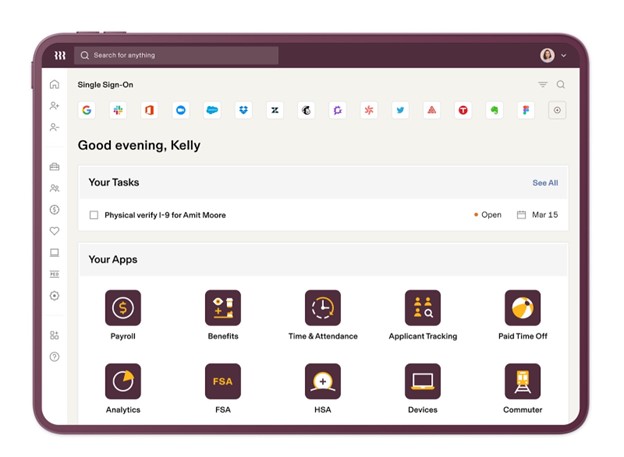
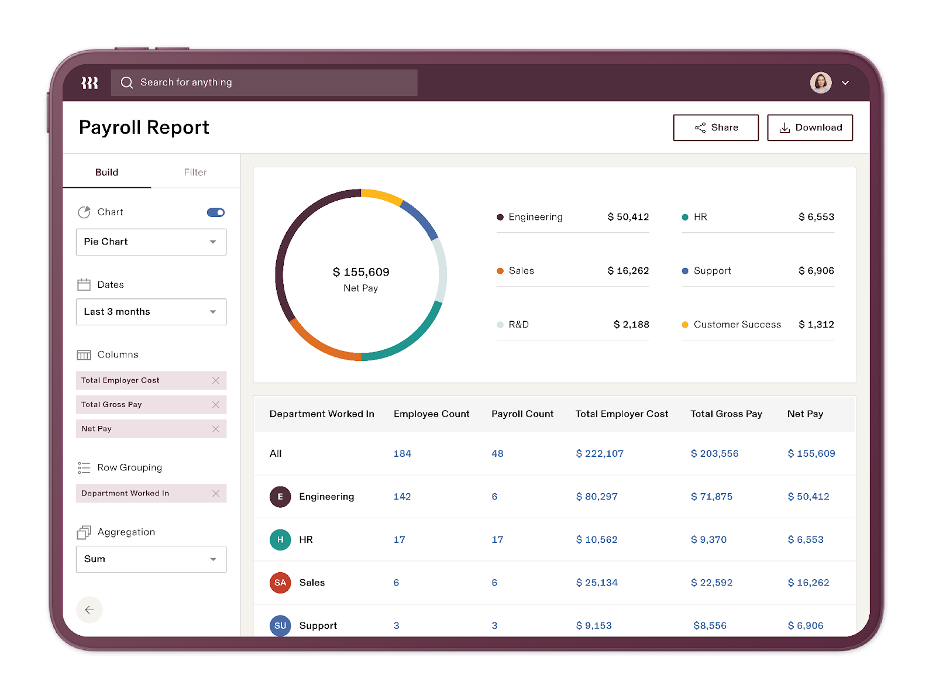
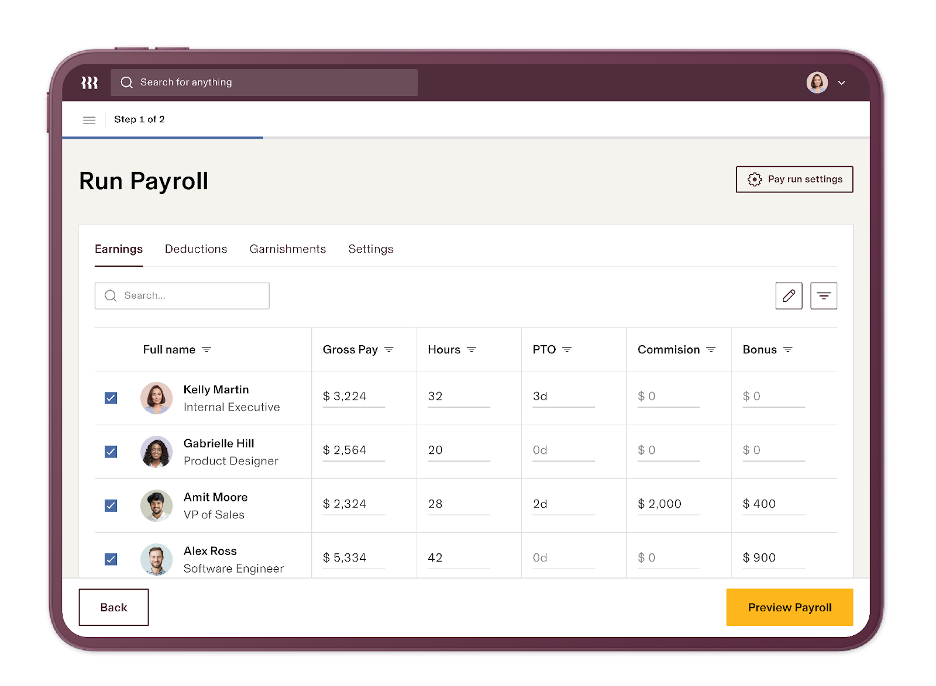
Rippling is a U.S.-based workforce management software company founded in 2016. The platform integrates HR, payroll, benefits, IT, and app management into one centralized system.
Unlike traditional HR tools that focus only on personnel records or payroll, Ripling connects employee data across departments. This means that when a company hires or offboards an employee, changes can automatically reflect in payroll, benefits, and device management workflows.
Core Features of Ripling
1. HR and Employee Management
Ripling provides tools for:
- Employee onboarding and offboarding
- Time tracking
- Workforce analytics
- Document storage
- Compliance support
Businesses can automate onboarding tasks such as offer letters, tax forms, and policy acknowledgments, reducing administrative workload.
2. Payroll Processing
Ripling supports payroll in multiple U.S. states and international locations. Features typically include:
- Automated tax calculations
- Direct deposit configuration
- Payroll reporting
- Contractor payments
- Compliance updates
Automation reduces manual entry errors and helps companies stay aligned with tax regulations.
3. Benefits Administration
The platform integrates health insurance, retirement plans, and other employee benefits into the same system. Employers can manage enrollments, eligibility rules, and deductions without switching platforms.
4. IT and Device Management
One of Ripling’s differentiators is IT integration. Companies can:
- Provision employee laptops
- Control app access
- Enforce security policies
- Remotely wipe devices when necessary
This makes Ripling attractive for remote and hybrid teams.
Why Businesses Choose Ripling
Unified System
Instead of managing separate HR, payroll, and IT tools, companies can centralize operations. This reduces data duplication and minimizes integration issues.
Automation
Automation features help reduce repetitive manual tasks. When employee data changes, updates can sync across payroll, benefits, and device systems.
Scalability
Ripling is suitable for startups as well as mid-sized organizations seeking growth-ready infrastructure.
Compliance and Security Considerations
Workforce platforms handle sensitive personal and financial information. Organizations evaluating Ripling should consider:
- Data encryption practices
- Role-based access controls
- Multi-factor authentication
- Regulatory compliance standards
Always review official documentation and consult internal compliance teams before implementation.
Ripling vs. Traditional HR Software
Traditional HR software typically focuses only on employee records and payroll. Ripling expands beyond that by including IT management and software access control.
Key differences often include:
| Feature | Traditional HR Tools | Ripling |
|---|---|---|
| Payroll Automation | Yes | Yes |
| Benefits Admin | Limited | Integrated |
| Device Management | No | Yes |
| App Provisioning | No | Yes |
| Unified Data Sync | Partial | Centralized |
This broader scope may benefit companies with distributed or tech-heavy teams.
Best Practices When Using Ripling
- Conduct internal needs analysis before implementation.
- Assign a dedicated administrator for system management.
- Regularly audit permissions and access roles.
- Keep compliance policies updated.
- Train staff to use features effectively.
Strategic onboarding ensures maximum platform value.
Is Ripling Right for Your Organization?
Ripling may be a strong fit for:
- Growing startups
- Tech-focused teams
- Remote-first organizations
- Companies seeking HR and IT consolidation
However, businesses should compare multiple platforms and review pricing structures before making decisions.
Conclusion
Ripling represents a modern approach to workforce management by combining HR, payroll, benefits, and IT into a unified system. For organizations aiming to streamline operations and reduce administrative friction, exploring Ripling can be a valuable step.
As with any enterprise software decision, conduct due diligence, consult compliance professionals, and evaluate long-term scalability before adopting a solution.