Ripling Enterprise Guide: Workforce Systems, Automation Design & Compliance Strategy
 hernandezyuman390@gmail.com
Introduction
As organizations scale, workforce operations expand beyond simple HR recordkeeping. Companies must coordinate payroll, benefits, compliance reporting, and IT access management — often across multiple jurisdictions and distributed teams.
Rippling is designed to unify these functions into a centralized platform. Instead of operating separate HR, payroll, and IT systems, ripling integrates workforce data into a shared operational environment.
This guide provides a structured, research-based overview for decision-makers evaluating modern workforce platforms.
Centralized Workforce Infrastructure

4
Ripling operates on a unified employee data model. Each module — HR, payroll, benefits, and IT — references the same employee profile. This architecture enables:
- Cross-department synchronization
- Automated operational workflows
- Consistent reporting standards
- Reduced data duplication
When employee status changes, associated systems update automatically.
HR & Workforce Administration
Ripling’s HR capabilities may include:
- Custom onboarding sequences
- Secure document management
- Workforce analytics dashboards
- Time tracking integration
- Automated offboarding workflows
Standardizing employee lifecycle processes reduces compliance risks and improves operational transparency.
Payroll & Compensation Framework
Ripling’s payroll tools typically support:
- Multi-state payroll management
- Automated tax calculations
- Direct deposit configuration
- Contractor payment handling
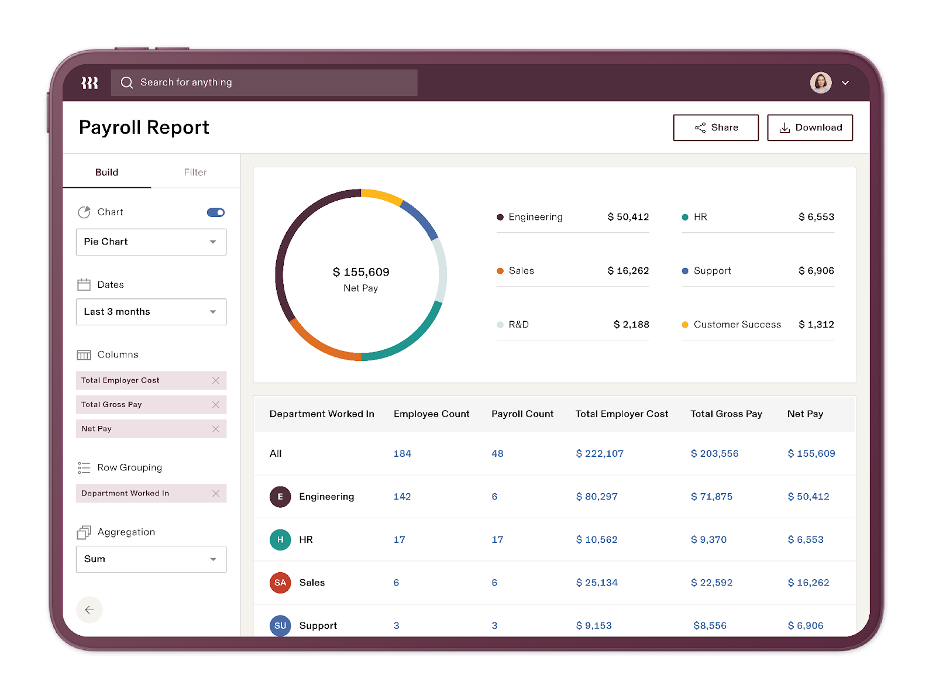
- Payroll analytics and reporting
Centralized payroll reduces administrative reconciliation and improves regulatory oversight.
Benefits & Deduction Synchronization
The platform connects benefit enrollment directly to payroll and HR records. Employers can manage:
- Health and retirement plan enrollment
- Deduction automation
- Eligibility criteria enforcement
- Compliance documentation storage
Synchronized benefits management reduces discrepancies between departments.
IT & Access Governance
One of ripling’s defining features is IT integration. Organizations can:
- Provision and configure employee devices
- Assign SaaS applications by role
- Enforce security policies
- Monitor device compliance
- Remove system access instantly during offboarding
This integration links workforce events to cybersecurity controls.
Workflow Automation Engine
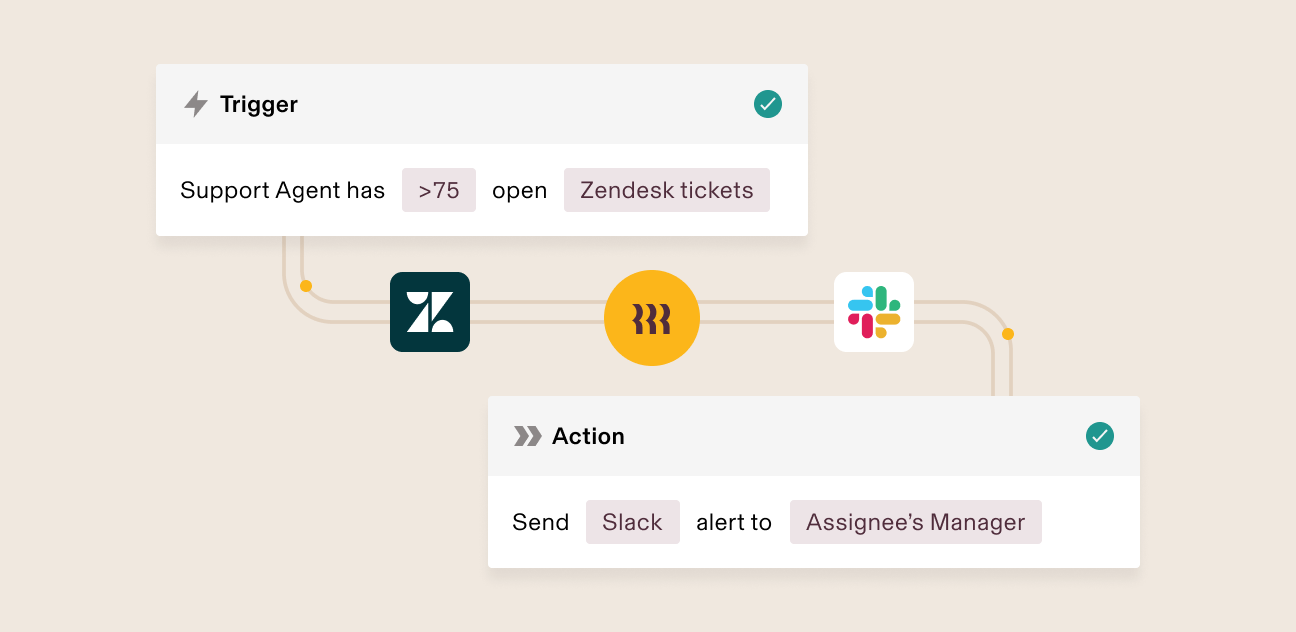
Ripling emphasizes configurable automation. Examples include:
- Automatic payroll setup upon hiring approval
- Role-based application provisioning
- Compensation-driven benefit adjustments
- Termination-triggered access revocation
Automation enhances efficiency and operational consistency.
Data Security & Compliance Controls
Given the sensitivity of employee data, businesses reviewing ripling should evaluate:
- Multi-factor authentication support
- Data encryption practices
- Access logs and audit trails
- SOC compliance certifications
- Data retention policies
Internal legal and compliance teams should assess documentation prior to deployment.
Integration Capabilities
Ripling integrates with a range of business systems, including:
- Accounting platforms
- Identity providers
- Collaboration tools
- Expense management applications
These integrations extend workforce data into broader financial and operational ecosystems.
Scalability & Enterprise Readiness
Ripling may be appropriate for:
- High-growth startups
- Multi-state employers
- Remote or hybrid organizations
- Mid-sized enterprises consolidating HR and IT systems
Enterprise suitability depends on workforce complexity and module configuration.
Implementation Strategy
To optimize deployment:
- Conduct a comprehensive workflow audit.
- Define governance and access policies.
- Test automation scenarios before full rollout.
- Train HR and IT teams collaboratively.
- Schedule ongoing compliance reviews.
Structured implementation reduces disruption and supports adoption.
Conclusion
Ripling provides a unified workforce management platform that connects HR, payroll, benefits, and IT systems into a centralized operational environment. Organizations evaluating ripling should consider automation needs, compliance requirements, scalability goals, and integration compatibility.
Careful evaluation and cross-department planning are essential before implementing any workforce infrastructure platform.