Ripling Platform Analysis: Workforce Automation, Data Control & Business Efficiency
 hernandezyuman390@gmail.com
Introduction
Workforce management is no longer limited to HR documentation and payroll cycles. Modern businesses must coordinate employee data, regulatory compliance, benefits administration, device provisioning, and application access — often across multiple locations.
Rippling positions itself as a unified workforce infrastructure platform that connects HR, payroll, and IT systems into a centralized environment. This article provides an in-depth, structured overview of ripling for research and evaluation purposes.
Unified Employee Data Architecture
4
At the core of ripling is a centralized employee database. Instead of storing data in separate systems, all modules reference a single profile. This structure enables:
- Instant cross-module synchronization
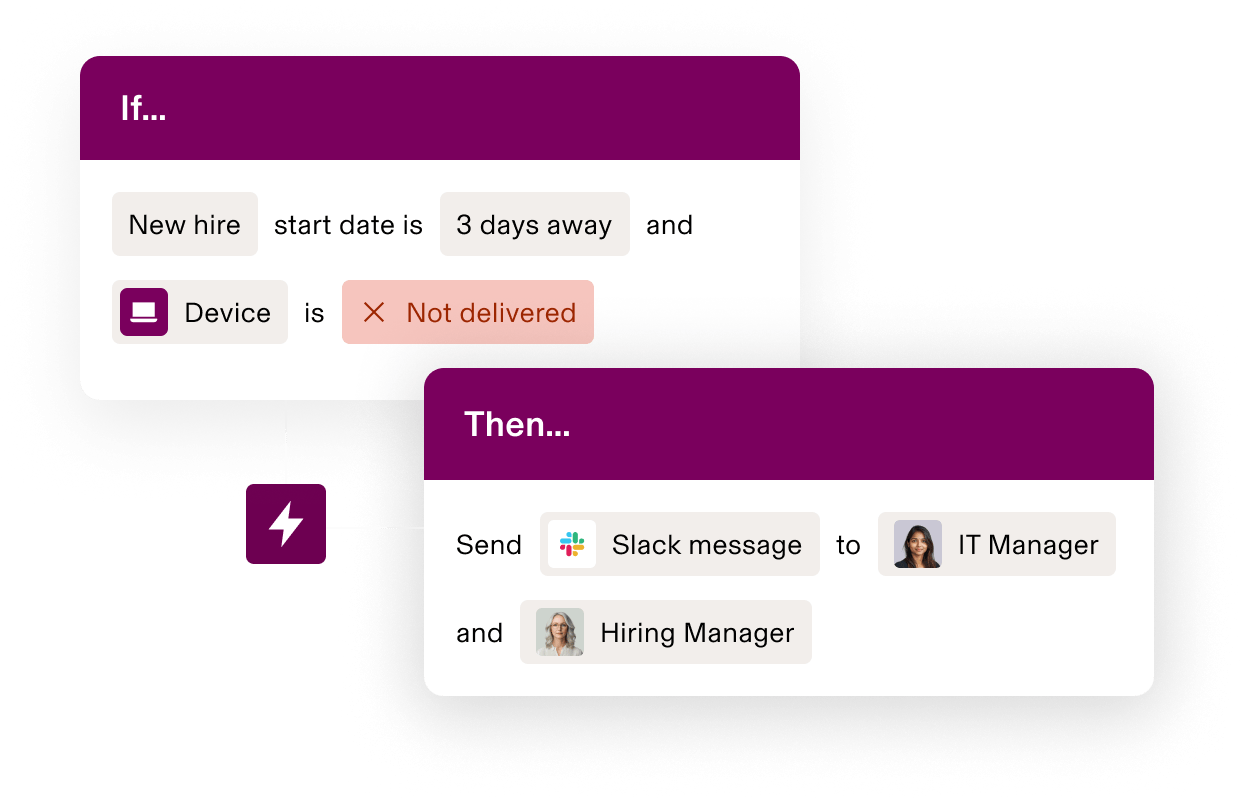
- Automated workflow triggers
- Consistent reporting across departments
- Reduced risk of data inconsistencies
For example, when a salary is updated, payroll deductions and benefits calculations can automatically adjust.
HR Operations & Lifecycle Automation
Ripling’s HR capabilities typically include:
- Custom onboarding sequences
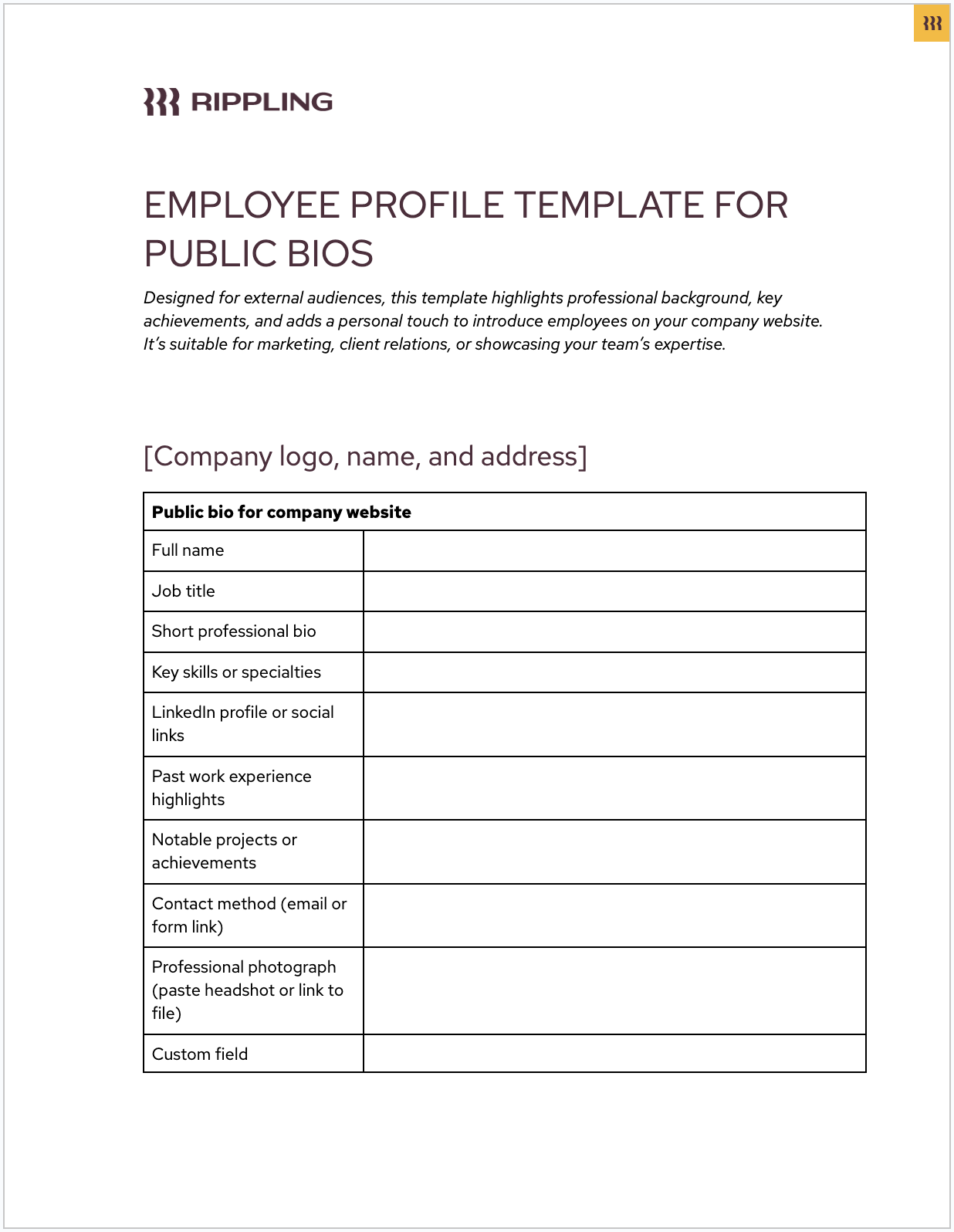
- Digital contract and policy storage
- Background process tracking
- Employee directory management
- Offboarding workflow automation
These processes help standardize employee lifecycle management and reduce manual administrative tasks.
Payroll & Financial Administration
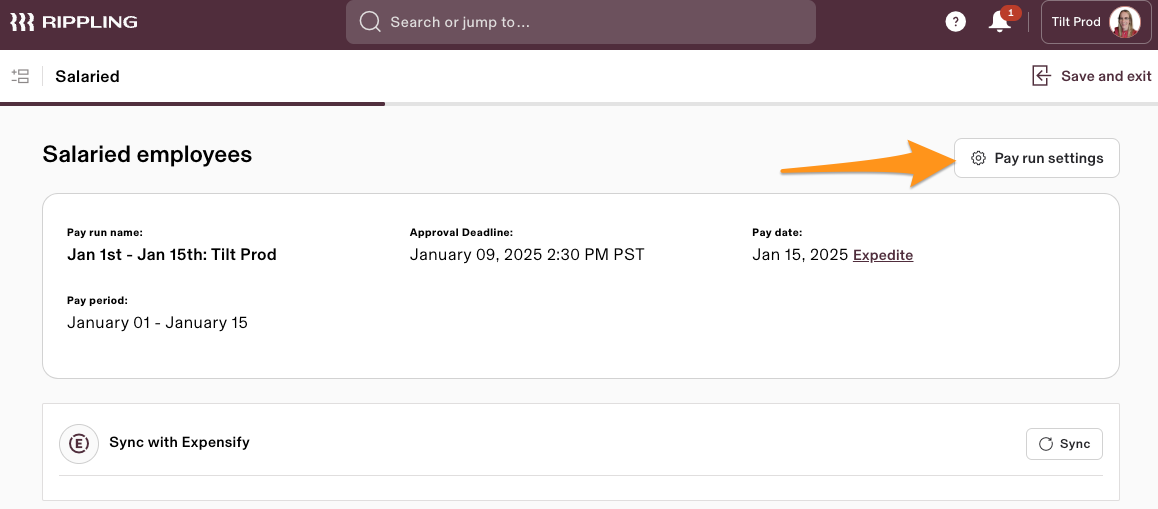
Ripling’s payroll module may provide:
- Automated tax calculations
- Multi-state payroll management
- Direct deposit configuration
- Contractor compensation processing
- Detailed payroll analytics
Integrated payroll infrastructure reduces the need for third-party coordination and manual reconciliation.
Benefits & Eligibility Management
Ripling connects benefits directly to employee records. Employers can manage:
- Enrollment tracking
- Eligibility rules
- Deduction alignment
- Compliance documentation storage
This unified approach reduces discrepancies between compensation and benefit systems.
IT & Device Governance
One of ripling’s notable capabilities is IT management integration. Organizations can:
- Assign company devices
- Configure application access
- Enforce security policies
- Monitor compliance settings
- Remove system access instantly upon offboarding
This HR-IT integration strengthens governance and cybersecurity practices.
Workflow Automation Strategy
Automation plays a central role in ripling’s design. Examples include:
- Automatically provisioning software based on job title
- Triggering payroll configuration after onboarding approval
- Updating benefits deductions after compensation changes
- Locking system access during employment status transitions
Automated workflows support operational consistency and efficiency.
Security, Compliance & Data Protection
Workforce systems manage sensitive data. Organizations evaluating ripling should assess:
- Multi-factor authentication support
- Data encryption standards
- Access logs and reporting
- SOC compliance documentation
- Internal audit functionality
Thorough compliance review is recommended before system deployment.
Integration Ecosystem
Ripling integrates with various business applications such as:
- Accounting software
- Identity management platforms
- Collaboration tools
- Expense tracking systems
These integrations extend workforce data across financial and operational systems.
Scalability & Growth Considerations
Ripling may be suitable for organizations that:
- Plan workforce expansion
- Operate across multiple jurisdictions
- Support remote teams
- Seek system consolidation
Scalability depends on module selection and internal implementation strategy.
Strategic Implementation Considerations
Before adopting ripling:
- Audit existing HR and IT workflows.
- Identify required automation scenarios.
- Review integration compatibility.
- Establish governance policies.
- Train internal administrators.
Careful planning supports smoother transitions.
Conclusion
Ripling presents a unified workforce management solution by integrating HR, payroll, benefits, and IT systems within one platform. Businesses evaluating ripling should consider operational needs, compliance requirements, and long-term scalability objectives.
As with any enterprise software, structured evaluation and internal review are essential before implementation.