Ripling Deep Overview: Workforce Management, System Architecture & Automation Strategy
 hernandezyuman390@gmail.com
Introduction
Managing employee operations across HR, payroll, compliance, and IT systems can quickly become complex as organizations grow. Disconnected tools often lead to duplicated data, delayed updates, and administrative inefficiencies.
Rippling was developed to unify these operational layers within a centralized platform. By connecting employee data across departments, ripling enables automation, synchronized updates, and streamlined workforce infrastructure.
This article provides a structured, educational overview for businesses evaluating workforce management solutions.
Platform Structure & Core Design

4
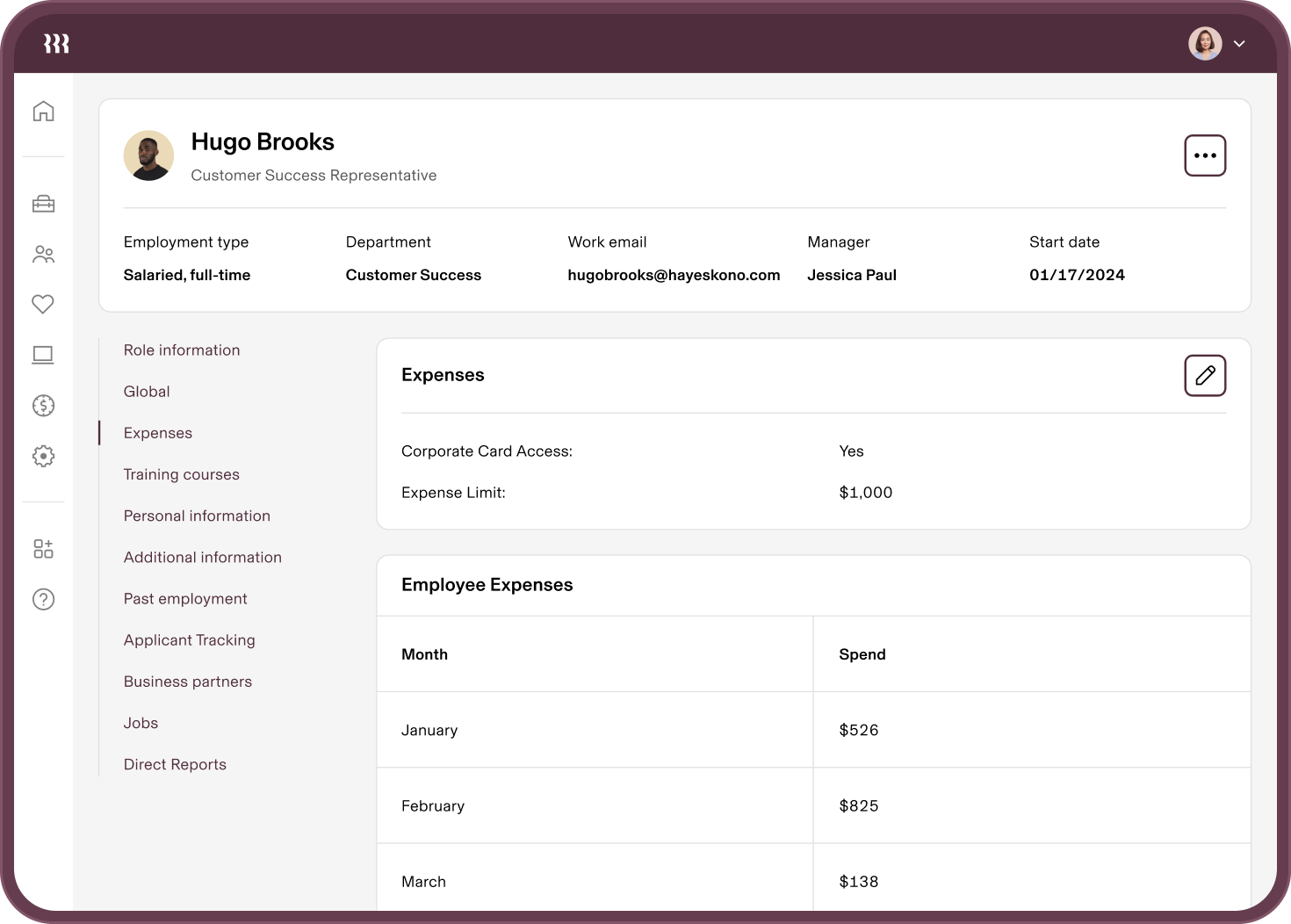
At its foundation, ripling operates on a centralized employee record model. Instead of maintaining separate databases for HR, payroll, and IT, all modules rely on a shared data source.
This architecture enables:
- Real-time synchronization across systems
- Automated workflow triggers
- Reduced manual data entry
- Improved audit traceability
When employee status changes, connected systems update automatically.
Employee Lifecycle Management
Ripling supports digital employee lifecycle processes, including:
- Structured onboarding workflows
- Secure document collection
- Policy acknowledgment tracking
- Role-based permission assignment
- Automated offboarding processes
By automating these stages, organizations reduce compliance risk and administrative delays.
Payroll & Compensation Infrastructure
Ripling’s payroll tools may include:
- Automated tax calculations
- Multi-state payroll support
- Direct deposit configuration
- Contractor management capabilities
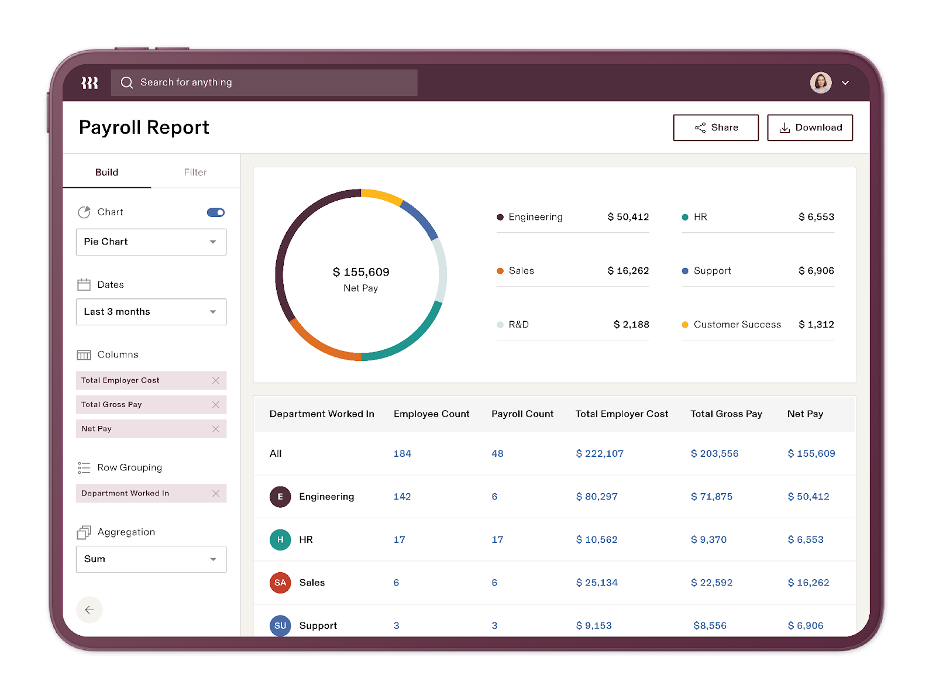
- Custom payroll reporting
Centralized payroll integration reduces reconciliation issues between finance and HR teams.
Benefits & Deduction Management
The platform integrates benefits administration directly into employee profiles. Employers can manage:
- Insurance enrollments
- Retirement plan deductions
- Eligibility criteria automation
- Compliance documentation
Synchronized deductions help prevent discrepancies between payroll and benefits systems.
IT Management & Security Integration
A defining feature of ripling is its integration of IT controls into workforce operations. Organizations can:
- Provision company devices
- Assign and revoke SaaS access
- Enforce security policies
- Monitor compliance standards
- Automatically deactivate access upon termination
This connection between HR events and IT controls supports stronger governance.
Automation & Workflow Engine
Ripling emphasizes configurable automation. Example workflows include:
- Triggering payroll setup upon hire approval
- Assigning applications based on department
- Updating benefits deductions after compensation changes
- Revoking system access during offboarding
Automation improves operational consistency while reducing processing time.
Security & Regulatory Alignment
Workforce platforms handle sensitive personal and financial information. Businesses evaluating ripling should review:
- Multi-factor authentication support
- Encryption standards
- Audit logs and reporting tools
- SOC compliance documentation
- Data retention policies
Internal compliance teams should review vendor documentation prior to implementation.
Integration Ecosystem
Ripling integrates with commonly used business systems such as:
- Accounting platforms
- Identity providers
- Collaboration tools
- Expense management solutions
These integrations allow workforce data to connect seamlessly with broader operational infrastructure.
Scalability & Enterprise Suitability
Ripling may be suitable for:
- Rapid-growth startups
- Remote or distributed teams
- Multi-state employers
- Mid-sized organizations consolidating HR and IT
Enterprise adoption should involve structured cost analysis and implementation planning.
Implementation Best Practices
To maximize value:
- Map existing HR and IT workflows before migration.
- Define role-based access structures clearly.
- Test automation workflows in a controlled rollout phase.
- Conduct employee training sessions.
- Schedule regular compliance audits.
Careful planning supports smooth adoption.
Conclusion
Ripling provides a unified approach to workforce management by combining HR, payroll, benefits, and IT oversight into one synchronized platform. Organizations seeking automation and operational consolidation often evaluate such integrated systems to improve efficiency and reduce fragmentation.
Before selecting any workforce management solution, businesses should conduct due diligence, compare vendor capabilities, and confirm regulatory alignment.