Ripling Workforce Platform Guide: Automation, Infrastructure & Operational Efficiency
 hernandezyuman390@gmail.com
Introduction
As organizations expand, managing workforce operations becomes increasingly complex. Employee data must stay synchronized across HR, payroll, benefits, compliance, and IT systems. Fragmented tools often create inefficiencies, manual work, and compliance risks.
Rippling is designed to consolidate these layers into one centralized platform. Instead of operating disconnected systems, businesses can manage employee records, compensation workflows, and IT infrastructure within a unified environment.
This guide provides an educational analysis of ripling’s structure, functionality, and practical evaluation criteria.
Unified Workforce Infrastructure
4
At the core of ripling is a centralized employee database. Every operational module references the same record, which enables:
- Real-time data synchronization
- Automated workflow triggers
- Cross-department visibility
- Reduced administrative duplication
When an employee’s role changes, the system can update compensation, benefits eligibility, and software access automatically.
HR & Employee Lifecycle Management
Ripling’s HR functionality typically supports:
- Digital onboarding and document collection
- Policy acknowledgment tracking
- Time and attendance management
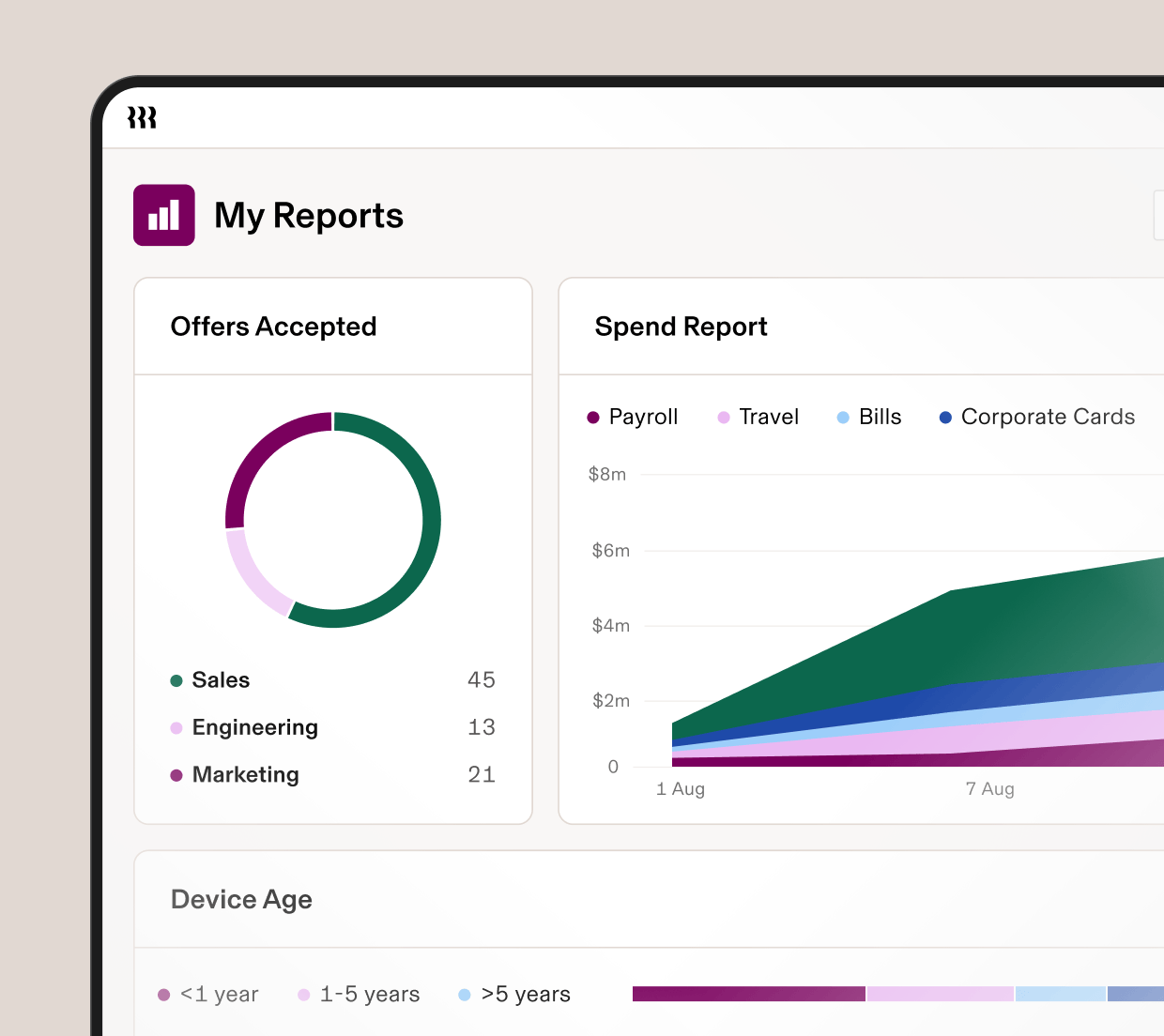
- Workforce reporting dashboards
- Automated offboarding procedures
Automation helps standardize hiring and termination processes while maintaining documentation integrity.
Payroll & Compensation Management
Ripling’s payroll infrastructure may include:
- Automated tax calculations
- Multi-state payroll support
- Direct deposit configuration
- Contractor payment management
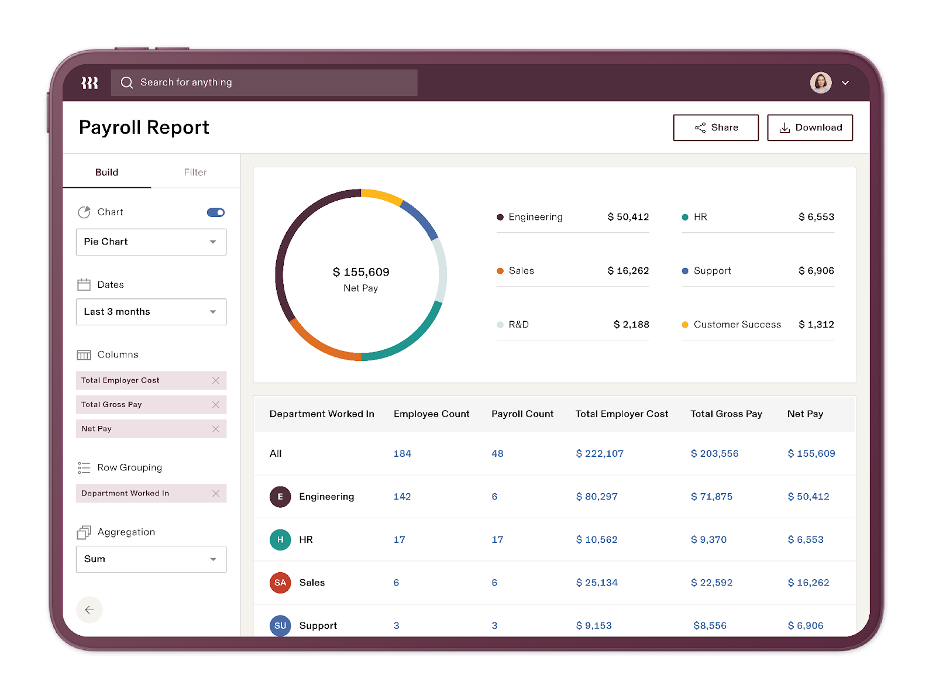
- Custom reporting tools
Integrated payroll processing reduces manual reconciliation and helps maintain compliance with applicable regulations.
Benefits & Deductions Administration
The platform integrates benefits management within employee profiles. Employers can manage:
- Health and retirement plan enrollment
- Deduction synchronization
- Eligibility automation
- Documentation and compliance tracking
Centralized management simplifies coordination between HR and finance departments.
IT & Security Integration
One of ripling’s distinguishing capabilities is IT management integration. Businesses can:
- Provision employee devices
- Assign SaaS applications automatically
- Implement role-based access controls
- Enforce security compliance policies
- Deactivate access during offboarding
This integration connects workforce operations with cybersecurity governance.
Automation & Workflow Engine
Automation is embedded throughout ripling’s infrastructure. Examples include:
- Triggering payroll setup after onboarding completion
- Assigning application permissions based on job role
- Adjusting benefit deductions when compensation changes
- Removing system access instantly upon termination
Automated workflows reduce processing delays and human error.
Data Security & Compliance Considerations
Organizations evaluating ripling should assess:
- Multi-factor authentication capabilities
- Encryption protocols
- Access logging and audit trails
- SOC compliance documentation
- Data governance standards
Given the sensitivity of employee information, structured compliance review is essential.
Integration Ecosystem
Ripling supports integrations with external tools commonly used in business environments, including:
- Accounting platforms
- Identity management systems
- Collaboration software
- Expense management applications
These integrations extend workforce data into broader operational ecosystems.
Scalability & Growth Readiness
Ripling may benefit organizations that:
- Operate across multiple states
- Support remote or distributed teams
- Anticipate workforce expansion
- Seek consolidation of multiple administrative tools
Scalability depends on selected modules and internal implementation strategy.
Implementation Strategy
To optimize adoption:
- Conduct a workflow audit before migration.
- Define internal user roles clearly.
- Review integration compatibility.
- Schedule phased rollout.
- Train administrative teams thoroughly.
Careful planning improves system effectiveness.
Conclusion
Ripling presents a unified approach to workforce management by integrating HR, payroll, benefits, and IT systems into one centralized platform. For businesses seeking automation, operational efficiency, and cross-department synchronization, evaluating ripling may be a strategic step.
Before selecting any workforce platform, organizations should conduct internal analysis, compare alternatives, and ensure regulatory compliance alignment.