Ripling Explained: Unified HR, Payroll & IT Infrastructure for Modern Teams
 hernandezyuman390@gmail.com
Introduction
As companies grow, managing employees across departments becomes increasingly complex. HR records, payroll processing, benefits administration, and IT provisioning often exist in separate systems — creating inefficiencies and compliance risks.
Rippling was built to address this fragmentation. The platform combines workforce operations and IT infrastructure into one centralized environment. This article provides an educational, structured overview of ripling’s capabilities and how businesses evaluate it responsibly.
What Makes Ripling Different?
4
Traditional HR systems manage employee data. Payroll systems handle compensation. IT tools control device access. Ripling connects all three layers through shared employee records.
When employee information updates, the change reflects across:
- Payroll settings
- Benefits enrollment
- Application permissions
- Device management policies
This synchronization helps reduce manual errors and duplicate data entry.
Core Functional Modules
1️⃣ HR Management
Ripling’s HR module typically supports:
- Digital onboarding workflows
- Document management
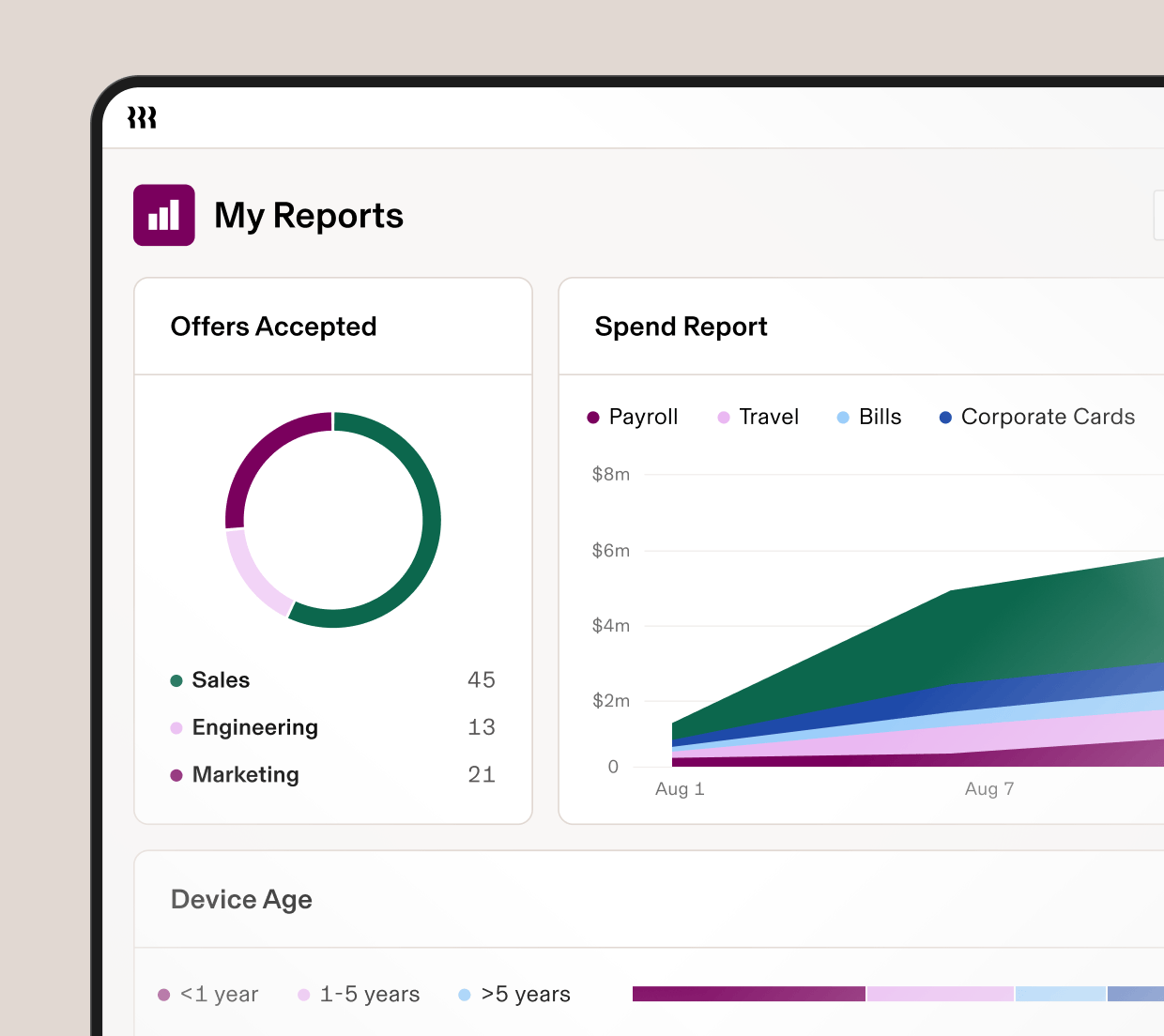
- Workforce analytics
- Policy acknowledgment tracking
- Automated offboarding processes
Automation ensures consistency across departments.
2️⃣ Payroll Infrastructure
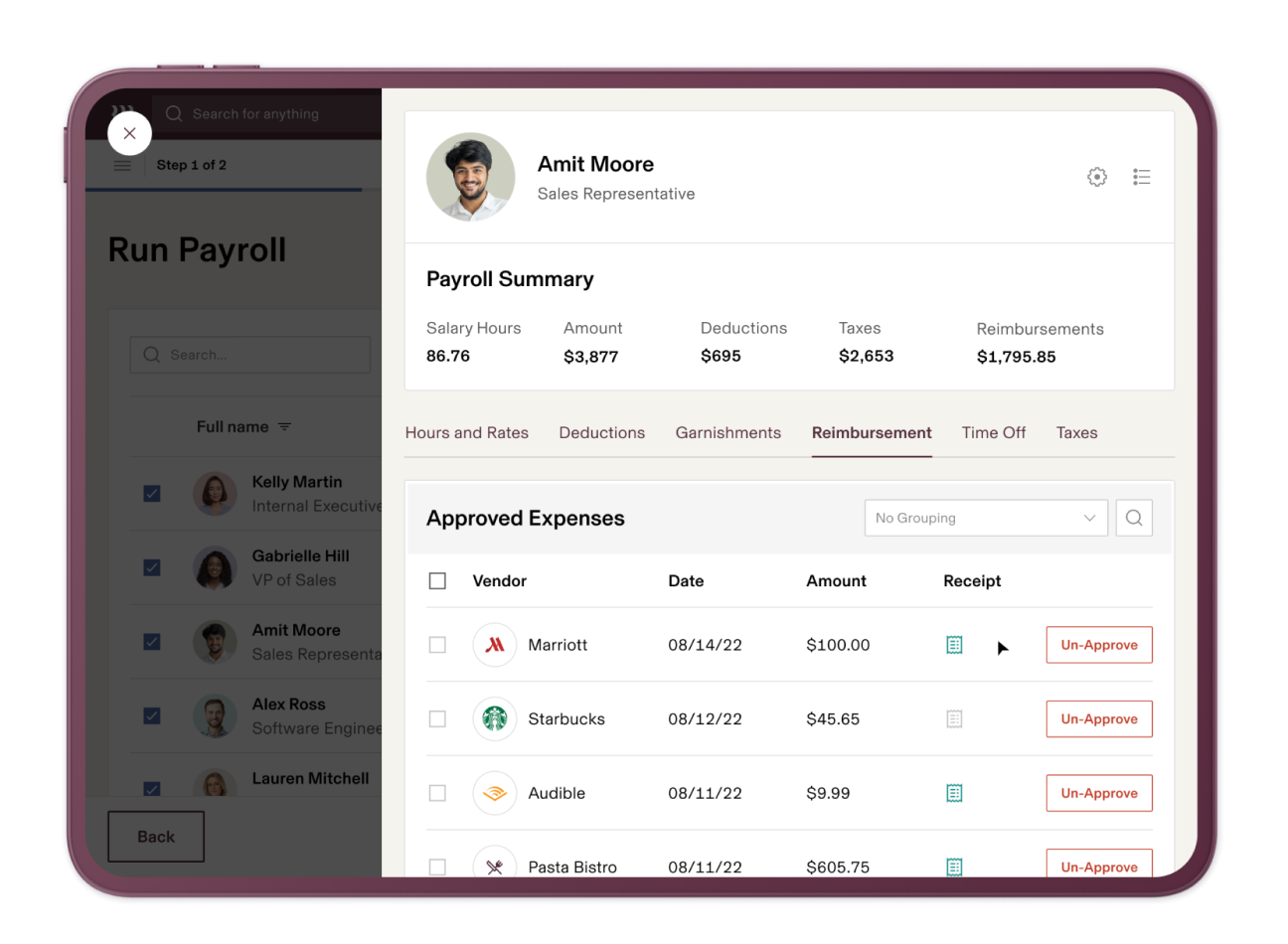
Ripling provides payroll processing tools that may include:
- Automated tax calculations
- Multi-state payroll support
- Direct deposit management
- Contractor payment processing
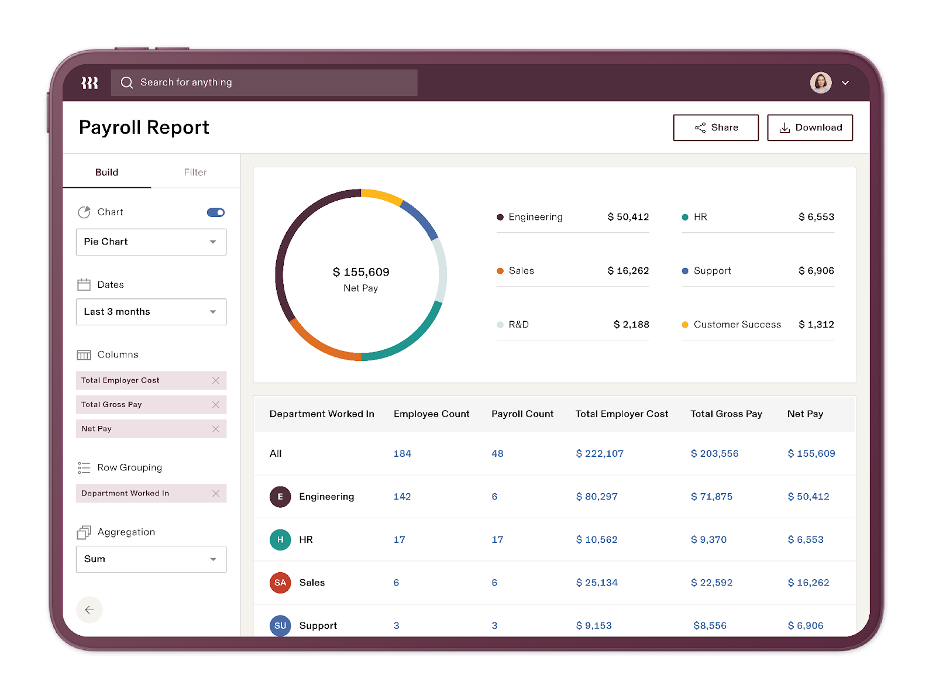
- Reporting dashboards
Payroll automation reduces administrative burden and helps maintain regulatory alignment.
3️⃣ Benefits Administration
The platform integrates benefits into the same employee profile. Employers can manage:
- Health plan enrollments
- Retirement plan deductions
- Eligibility rules
- Compliance documentation
Centralized benefits tracking simplifies coordination between HR and finance teams.
4️⃣ IT & App Provisioning
Ripling extends beyond HR by offering IT automation:
- SaaS application provisioning
- Device configuration policies
- Security compliance checks
- Role-based system access
- Remote account deactivation
This integration is especially valuable for remote and distributed teams.
Automation & Workflow Design
Ripling emphasizes workflow automation. For example:
- When a new hire is added, the system can trigger payroll setup, benefits enrollment, and app provisioning automatically.
- When an employee is terminated, access rights can be revoked instantly.
Automation reduces risk and improves operational speed.
Security & Compliance Framework
Organizations evaluating ripling should review:
- Multi-factor authentication options
- Data encryption standards
- Access audit logs
- SOC compliance documentation
- Internal reporting capabilities
Due diligence and official documentation review are essential before implementation.
Ripling Integrations
Ripling integrates with various third-party tools commonly used in business environments, such as:
- Accounting software
- Collaboration platforms
- Identity management systems
- Expense management tools
These integrations allow businesses to connect workforce data to broader operational systems.
Advantages for Scaling Companies
Centralized Data
One employee record drives multiple operational processes.
Reduced Manual Work
Automation decreases repetitive administrative tasks.
Cross-Department Visibility
HR, finance, and IT teams share synchronized data views.
Growth-Ready Infrastructure
Ripling can adapt to expanding headcount and geographic expansion.
Potential Considerations
While ripling offers broad functionality, businesses should assess:
- Pricing structure by module
- Contract terms
- Implementation timeline
- Internal training requirements
- Long-term scalability needs
Comparing multiple platforms ensures informed decision-making.
Who Typically Uses Ripling?
Ripling may be suitable for:
- Startups with growing teams
- Technology-focused organizations
- Remote-first companies
- Mid-sized businesses consolidating systems
Each organization’s needs differ, so platform fit should be evaluated carefully.
Conclusion
Ripling represents a unified approach to workforce management by connecting HR, payroll, benefits, and IT infrastructure into a single platform. Businesses seeking automation and centralized operations often explore such systems to improve efficiency and reduce complexity.
Before selecting any workforce management solution, conduct structured evaluation, consult compliance professionals, and compare alternative platforms.